



Highway of Tears: The Unsolved Disappearances and Murders of Indigenous Women in Canada
I Missed Red Dress Day But These Stories Still Matter
I know this post was meant to be shared and observed on May 5th for Red Dress Day, and I’m truly sorry for missing the date. I had this written in my drafts and completely forgot to schedule it. But regardless of the date, these stories, these women, these families, and this crisis deserve to continue being spoken about long after awareness days pass.
What Is the Highway of Tears?
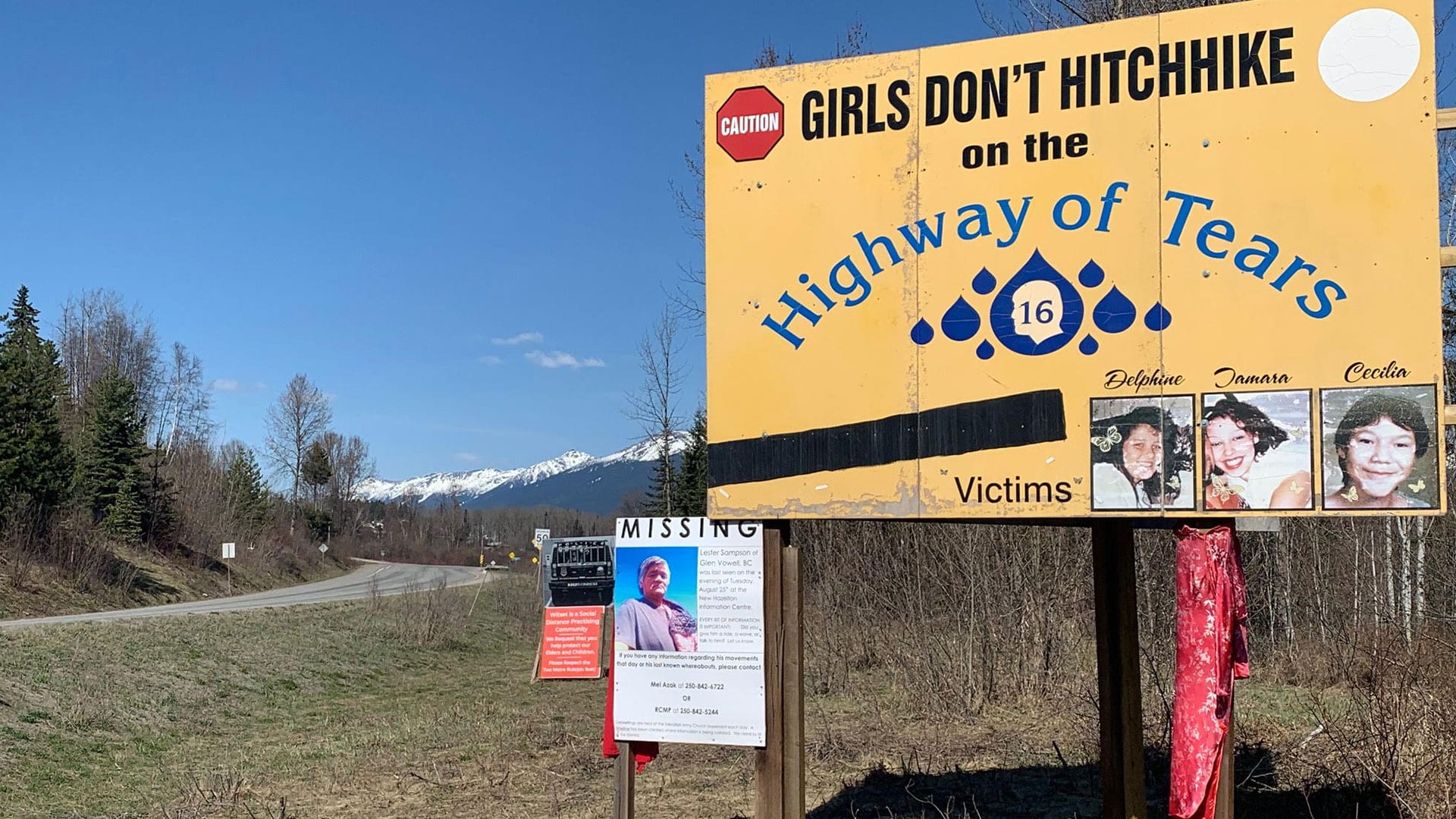
More than 40 women and girls -predominantly from First Nations communities have gone missing or been found murdered along British Columbia’s Highway 16 and its connecting routes since 1969. While the Royal Canadian Mounted Police officially linked 18 cases through Project E-Pana, Indigenous families, community advocates, and local organizations believe the real number of victims could exceed anywhere from 40 to over 80 individuals.
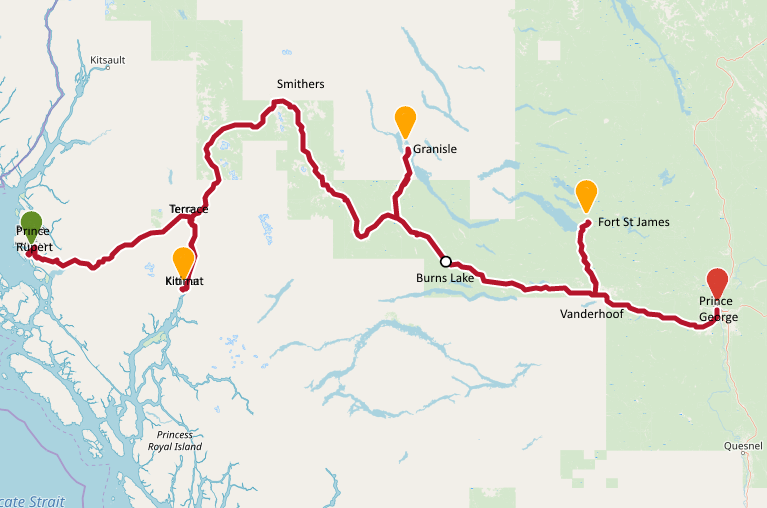
Stretching between Prince George and Prince Rupert, Highway 16 eventually became known as the “Highway of Tears” because of the devastating number of women and girls who vanished there over several decades.
How More Than 40 Women and Girls Vanished Along Highway 16
For years, families noticed disturbing patterns developing along the highway. Women and girls disappeared while traveling between isolated communities, often while hitchhiking due to limited transportation options.
Many of the cases remain unsolved today.
The disappearances became tied not only to violent crime, but also to larger issues involving poverty, isolation, racism, and systemic neglect affecting Indigenous communities across Canada.

The Dangerous Reality of Northern British Columbia’s Remote Highways
The geography surrounding Highway 16 created ideal conditions for predators. Vast forests, isolated pull-offs, logging roads, and remote wilderness areas made it extremely difficult to locate victims or gather evidence.
Long stretches of highway lacked surveillance, emergency services, or reliable transportation infrastructure. For many families, searches were conducted in some of the harshest terrain imaginable.
Why So Many Victims Were Hitchhiking
One of the most misunderstood aspects of the Highway of Tears cases is why so many women were hitchhiking in the first place.
For many Indigenous women living in northern British Columbia, hitchhiking was not a reckless decision — it was often a necessity. Public transportation across remote communities was either severely limited or entirely nonexistent for years.
Women frequently needed to travel for:
- school,
- work,
- groceries,
- healthcare,
- or family visits.
Without safe and affordable transportation options, many were left vulnerable along isolated highways.
Systemic Neglect and the Failures Families Faced
Families of victims have long described frustrating and painful experiences with law enforcement during the early investigations.
Many Indigenous families reported:
- delayed responses,
- dismissive attitudes,
- lack of urgency,
- and systemic racism.
Some families say they were told their daughters had likely run away or would eventually return home. Others felt their concerns were minimized for years before authorities publicly acknowledged the cases as potentially connected.
Decades passed before a centralized task force, Project E-Pana, was formally established by the RCMP.
The Indigenous Communities Most Impacted
The majority of victims connected to the Highway of Tears were Indigenous women and girls from First Nations communities throughout northern British Columbia.
The crisis later became part of the broader national conversation surrounding Missing and Murdered Indigenous Women, Girls, and Two-Spirit people (MMIWG2S), highlighting the disproportionate violence Indigenous women face in Canada.
Ramona Wilson: The Teenager Who Became a Symbol for Justice
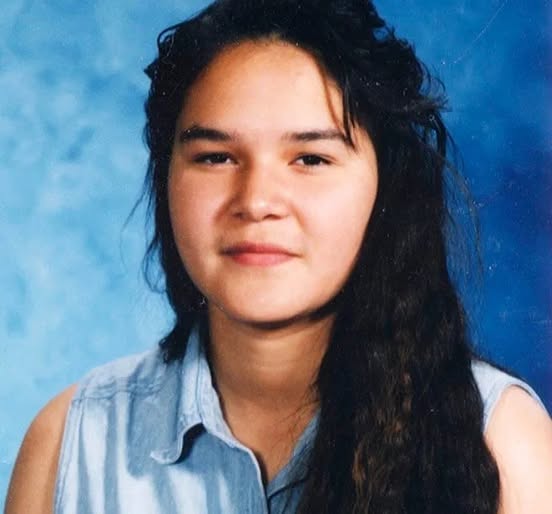
Sixteen-year-old Ramona Wilson disappeared in June 1994 while hitchhiking in Smithers, British Columbia. She was heading to a friend’s house when she vanished.
Nearly a year later, her remains were discovered near an airport.
Her family, especially her sister Brenda Wilson, became some of the strongest advocates pushing for national awareness surrounding the Highway of Tears cases and demanding justice for victims.
Nicole Hoar and the Media Attention That Changed Public Awareness
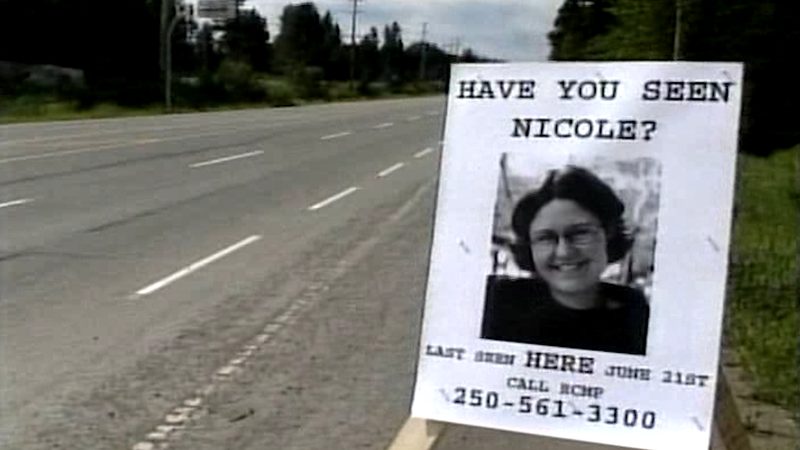
In 2002, twenty-five-year-old Nicole Hoar disappeared while hitchhiking near Prince George.
Nicole, a tree planter traveling to visit her sister, vanished from a gas station and was never found.
Because Nicole was a non-Indigenous woman, her disappearance received extensive national media coverage. Many Indigenous advocates pointed out that Indigenous families had been raising alarms about missing women along the highway for years without receiving the same level of public attention.
Tamara Chipman and the Early Awareness Walks Along Highway 16

Tamara Chipman, a twenty-two-year-old mother from the Moricetown (Witset) community, disappeared in September 2005 while hitchhiking near Prince Rupert.
She remains missing today.
Her family organized some of the earliest awareness walks along Highway 16 to keep public attention focused on the disappearances and to pressure authorities for answers.
The Murder of Colleen MacMillen and the DNA Breakthrough Decades Later
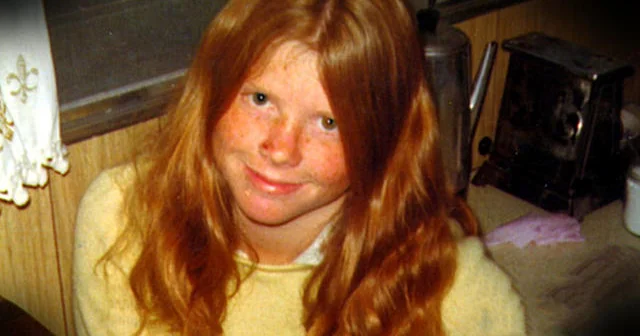
Sixteen-year-old Colleen MacMillen disappeared in 1974 while hitchhiking to visit a friend.
Her body was discovered weeks later.
For decades, her murder remained unsolved until advancements in DNA technology eventually linked the crime to American serial killer Bobby Jack Fowler after his death in prison.
For many other families connected to the Highway of Tears, however, answers still have never come.
Aielah Saric-Auger: One of the Youngest Victims of the Highway of Tears

Fourteen-year-old Aielah Saric-Auger disappeared from Prince George in February 2006.
Just over a week later, her body was discovered in a ditch along Highway 16.
Her murder shocked communities across Canada and intensified public demands for immediate safety improvements and systemic change.
The Meaning Behind the Red Dress Symbol
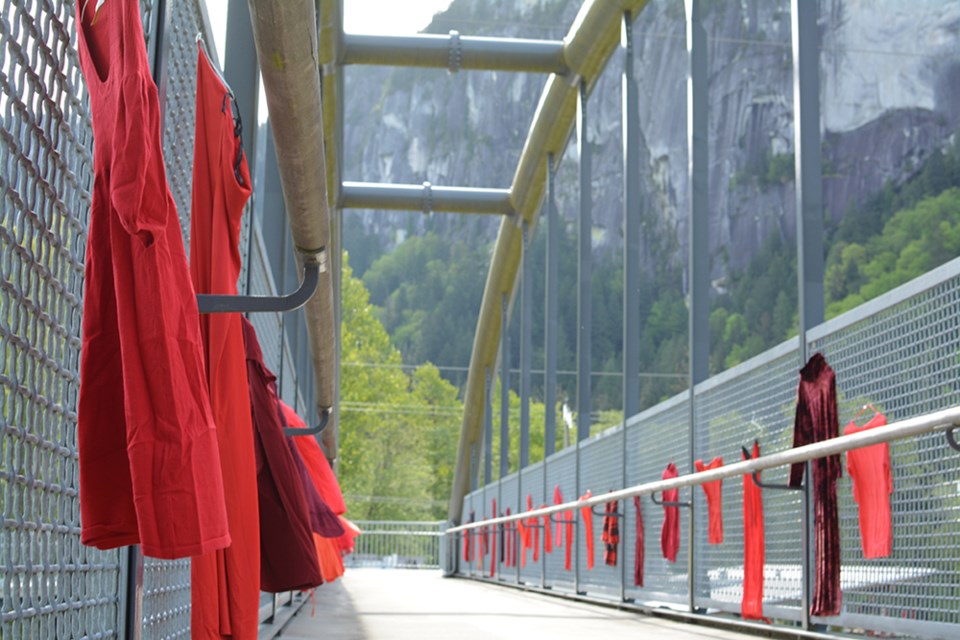
Today, the red dress has become one of the most recognized symbols connected to Missing and Murdered Indigenous Women, Girls, and Two-Spirit people.
The symbol originated through the REDress Project by Métis artist Jaime Black, who displayed empty red dresses in public spaces to represent the thousands of Indigenous women and girls who are absent from their families and communities.
In many Indigenous cultures, red is believed to be the color spirits can see.
The empty dresses serve as memorials, reminders, and calls for justice.
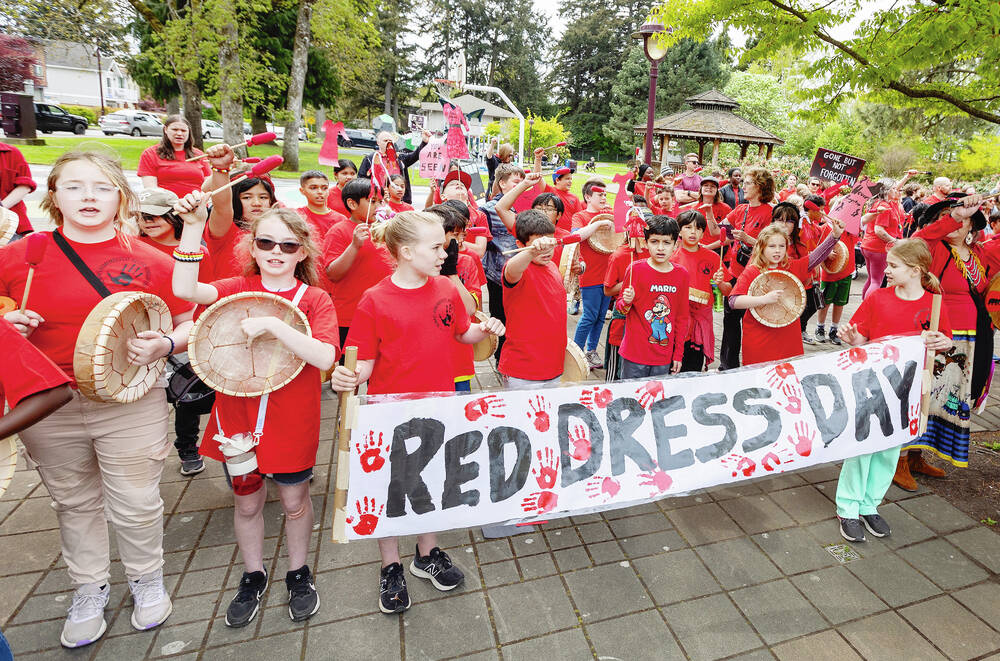
What Is Red Dress Day?
Observed annually on May 5th, Red Dress Day is a National Day of Awareness honoring Missing and Murdered Indigenous Women, Girls, and Two-Spirit people.
Across Canada and the United States, communities gather for:
- marches,
- vigils,
- memorial walks,
- and public displays of hanging red dresses in trees, schools, windows, and public spaces.
The movement calls for accountability, awareness, and systemic change while honoring the lives stolen through violence.
The Ongoing Fight for Justice and Accountability
In April 2026, Carrier Sekani Family Services hosted the 20th Anniversary Commemoration of the Highway of Tears Symposium, bringing together families, advocates, and leaders to discuss safety improvements and ongoing reform efforts.
Families continue demanding:
- better investigations,
- transportation infrastructure,
- victim support,
- and accountability from authorities.
The Pillar of Hope and Community-Led Memorials
Communities across northern British Columbia have worked to reclaim the narrative surrounding Highway 16.
Older fear-based warning signs have gradually been replaced by memorials centered around hope, remembrance, and resilience, including the Pillar of Hope monument at Cottonwood Island Park.
These memorials honor the victims while reminding communities that the fight for justice continues.
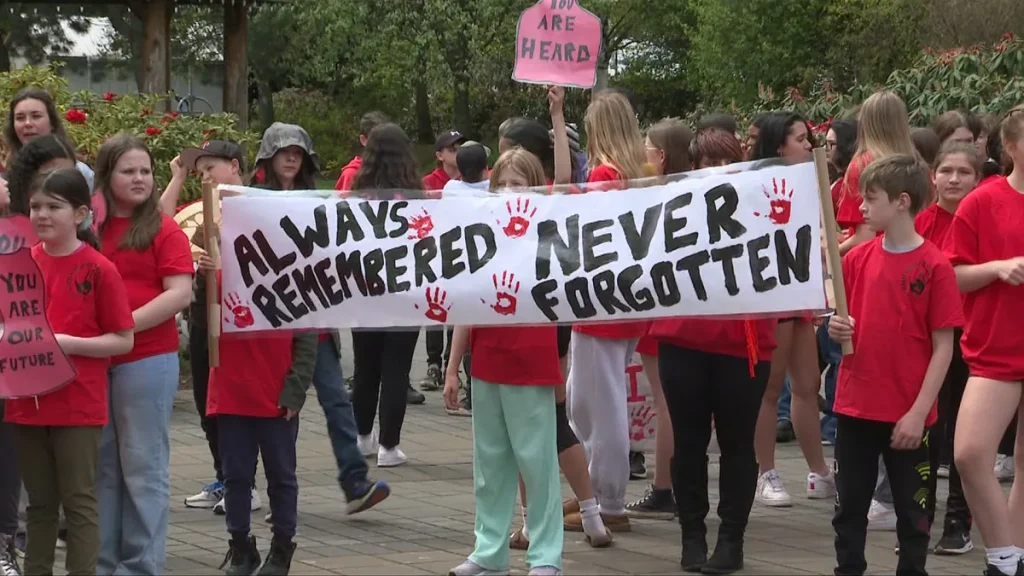
Why the Highway of Tears Is More Than a True Crime Story
The Highway of Tears is not simply a collection of unsolved disappearances.
It represents generations of ignored warnings, systemic inequality, violence against Indigenous women, and institutional failures that devastated families and communities across Canada.
For many loved ones, the grief never ended.
Final Thoughts: The Women and Girls Who Should Never Be Forgotten
Even decades later, many of these cases remain unsolved.
But the families, communities, and advocates fighting for awareness have refused to let these women and girls disappear from public memory.
Their names matter. Their stories matter.
And continuing to speak about the Highway of Tears means continuing to demand justice for those who never made it home.
Additional reading
Highway of Tears Book by Jessica McDiarmed
Turn the page. Turn up the volume.
The official Memphis playlist brings every scene to life.